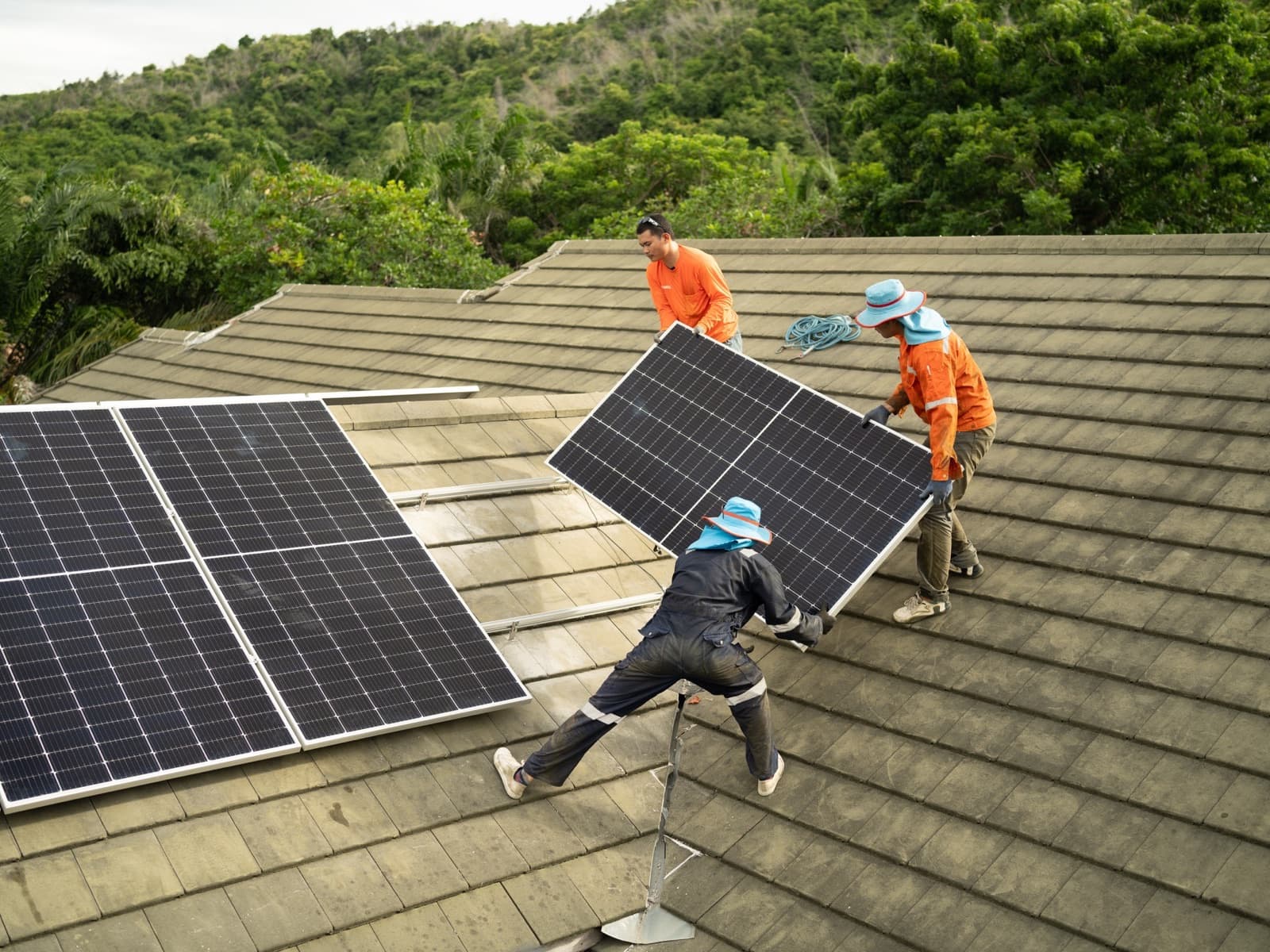
Solar installation disputes
The savings you were sold never showed up.
Tell us what the installer promised and we'll take it from here.
What is still open on a solar installation?
10 ways to put pressure on the other side, and they do not all close at the same time. Tell us roughly when this started.
See which ones apply to you- Chargeback4 mo
- Financing unwind12 mo
- Manufacturer certification24 mo
- Insurance channel12 mo
- Surety bond24 mo
- Licensing board48 mo
- Small claims48 mo
- File a lawsuit48 mo
- Recovery fund24 mo
- Public recordno deadline
What does it cost to sort out a solar installation?
Most of what follows you can do yourself, and the parts that cost nothing are first for a reason.
Start free, today
A demand letter you can fill in, and a plain guide to small claims where you live. No account, no cost.
Finding out costs nothing
Tell us what happened and hear where you stand. If we do not think we can move the business, we say so.
One cost, paid once
Asked for after we have reviewed your file and shown you the figure, and before any work starts. Nothing after it.
We take no share
No percentage of what you get back. A recovery is paid to you by the business, and never passes through us.
The routes that bite hardest in solar.
Financing unwind
Most residential solar is financed or leased, and the FTC Holder Rule can attach the seller's liability to the lender. That makes the unpaid balance leverage, and on a twenty-year term the balance is the whole system.
Manufacturer certification
Panel and inverter manufacturers certify the installers who fit their equipment. A production shortfall traced to how it was mounted is their problem too, not only yours.
Licensing board
Solar work usually needs an electrical license and a permit. A state board can review both, and the permit file is a record the installer does not control.
Surety bond
A licensed contractor is usually bonded. The bond pays out against them without needing them to agree to anything, which matters when an installer has folded.
Where a solar installation actually goes wrong.
The production estimate you signed
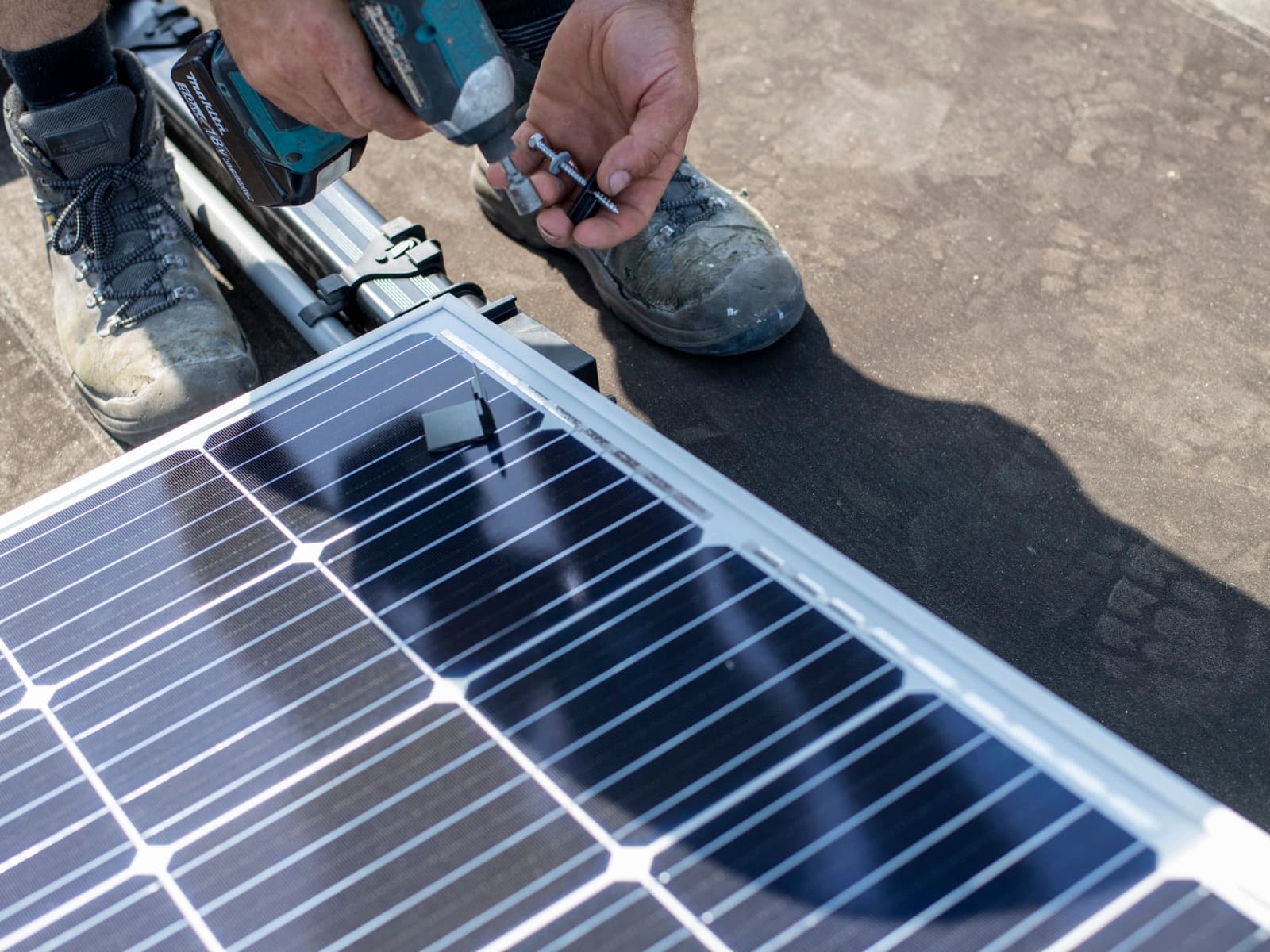
A sales model projects output from roof pitch, orientation, shading and equipment. It is an estimate, but a large and persistent gap between the projection and the meter is worth questioning rather than accepting.
The model is a document. What it assumed about your roof is checkable against your roof, and that comparison is the whole question.
Roof penetrations at the mounts
Every mount goes through the roof. Flashed badly, the first sign is a leak months later, by which point the roofer and the solar installer each point at the other.
Two trades and one hole means two possible counterparties. Which one owes you depends on who did what and when, not on which one answers the phone.
Inverter and panel substitution
Equipment gets swapped between the proposal and the install, sometimes for a different tier at the same price. On a roof twenty feet up, nobody checks the model numbers.
Serial numbers are on the commissioning paperwork and the monitoring portal. What was fitted is a fact, and it either matches the contract or it does not.
The interconnection and permit file
Utility interconnection and a building permit are both required and both leave a paper trail. Systems get energised before approval, and some never get inspected at all.
This is the one part of the job held by somebody with no stake in the dispute, which is what makes it the strongest evidence on the list.
Rebates, credits and the savings claim
Incentives that turned out not to apply, expired before the paperwork was filed, or were quoted at a rate that had already changed. The savings figure often assumed all of them landing.
Whether an incentive existed is a matter of public record on a date. Whether it was represented to you is a matter of what is in writing.
The production guarantee, if you have one
Many proposals promise a minimum annual output. The guarantee is a separate document from the equipment warranty and from the workmanship warranty, and it is the one most often described verbally.
Three different warranties from up to three different companies. Which one covers a shortfall decides who you are actually in dispute with.
The three we see most.
All of it, on a solar installationProduction well below what was modeled
Sales models are estimates, but a large persistent gap between projected and actual production is worth questioning. Shading, panel orientation, and undersized equipment all show up this way.
Roof damage from the installation
Mounting hardware penetrates the roof. Done poorly, the first sign is often a leak months later, by which point the roofer and the solar installer each point at the other.
Incentives and savings that never materialised
Promised rebates, credits, or utility programmes that turn out not to apply, or that expired before the paperwork was filed.
What happens if you start today.
The same day
You send us the proposal, the contract, the finance agreement and whatever monitoring data you can see. Screenshots off the app are fine.
Before we ask you for anything
We check the permit and interconnection record, the installer's license and bond, and whether the incentives you were quoted existed on the date you signed.
Then you get a straight answer
Which company is actually on the hook, which routes are open, and which one we would use first. Including when we do not think it is worth pursuing.
After that it is ours
The correspondence with the installer, the lender and the manufacturer, and the escalation, with the file kept up to date.
We'll have solar already selected.
Questions people ask us first.
My system works, it just does not produce what I was told. Is that a dispute?
It can be. A production shortfall is measurable against the estimate you were given, and the estimate is a document somebody produced to make a sale.
The installer has gone out of business. Is that the end of it?
Frequently not. A license bond, an equipment manufacturer's certified-installer program, the lender that financed the system and a state recovery fund can all survive the installer closing.
My solar is leased, not owned. Does that change anything?
It changes who the counterparty is, and often improves your position. A lease or a power purchase agreement is a contract with a company that is still collecting from you every month.
The install damaged my roof. Is that the roofer's problem or the solar company's?
That is usually the central question rather than a detail. It depends on who penetrated the roof, what the contracts say about it, and what condition the roof was documented in beforehand.
I signed a lot of paperwork I did not read. Is that fatal?
No. What was represented to you before you signed matters, and financed home-improvement sales carry consumer protections that do not disappear because a signature exists.
Are you a law firm?
No. We are a consumer advocacy service. We prepare and pursue your advocacy file and correspond with the business on your behalf. We do not represent you in court, and if your situation needs an attorney we tell you and hand off the materials.
Disclosures
- Satisfy is not a law firm and is not a licensed insurance adjuster or public adjuster. We prepare and pursue your file and correspond with the business on your behalf; a court filing or an insurance claim is made by you, or by an independent professional you engage, using the materials we assemble. We do not represent you in litigation, arbitration, or an insurance claim.
- The windows shown on this page are illustrative for the kind of dispute selected, measured from the work rather than from the dispute. They are an estimate and not a legal opinion. Yours depend on your contract, your policy, your card issuer's rules and your state's law, and some will already have closed. We do not guarantee that any route is still open to you.
- What goes wrong with a solar installation is described here in general terms. It is not an assessment of your own job and it is not technical advice about whether any particular work was done correctly.