
Termite and pest damage guarantee disputes
You paid for the bond for years and the claim was refused.
Tell us what the bond covered and we'll take it from here.
What is still open on termite and pest damage repairs?
10 ways to put pressure on the other side, and they do not all close at the same time. Tell us roughly when this started.
See which ones apply to you- Chargeback4 mo
- Financing unwind12 mo
- Manufacturer certification24 mo
- Insurance channel12 mo
- Surety bond24 mo
- Licensing board48 mo
- Small claims48 mo
- File a lawsuit48 mo
- Recovery fund24 mo
- Public recordno deadline
What does it cost to sort out termite and pest damage repairs?
Most of what follows you can do yourself, and the parts that cost nothing are first for a reason.
Start free, today
A demand letter you can fill in, and a plain guide to small claims where you live. No account, no cost.
Finding out costs nothing
Tell us what happened and hear where you stand. If we do not think we can move the business, we say so.
One cost, paid once
Asked for after we have reviewed your file and shown you the figure, and before any work starts. Nothing after it.
We take no share
No percentage of what you get back. A recovery is paid to you by the business, and never passes through us.
The routes that bite hardest in termite & pest damage.
Licensing board
Pest control is licensed and regulated state by state, usually by the department of agriculture rather than a contractor board. Treatment records and inspection reports are things a regulator can require.
Public record
A bond is sold on trust and renewed annually, so this industry is unusually exposed on the public record. A complaint follows the company to its next renewal cycle.
Surety bond
Licensed operators are commonly bonded, and a claim against the bond does not need the company to agree with you.
Chargeback
Annual renewals are usually paid by card. A renewal charged for a year in which the required inspection never happened is a chargeable transaction with a short window.
Where termite and pest damage repairs actually goes wrong.
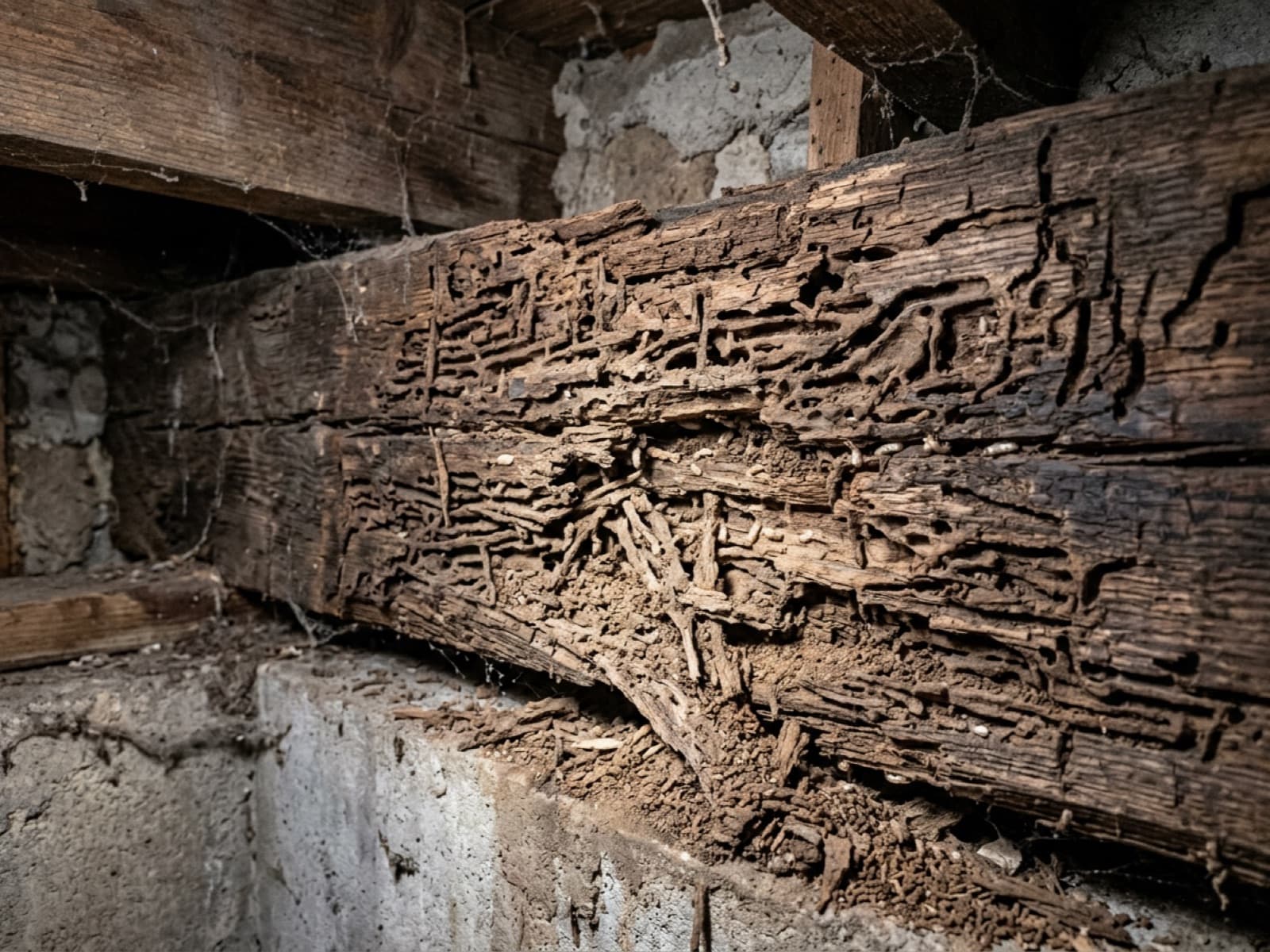
Which product you actually hold
A repair bond and a retreatment-only agreement sit at similar prices and are very different products. Which one you have is decided by the contract, not by what the salesperson described.
This is the first thing to establish and it is usually the whole dispute. It is one clause in a document you already have.
The annual inspection you paid for
Renewal normally requires an inspection, and a report is supposed to exist for each one. Where no report exists for a year that was billed, the guarantee was being funded and not maintained.
A missing report for a paid year is a countable gap, and it is the company's own record-keeping obligation rather than yours.
The graph and the treatment record
The initial treatment is documented on a diagram with product, concentration and volume. Under-application is invisible afterwards and is what the record exists to show.
State regulators generally require these records be kept, which means a third party can ask for them even if you cannot.
Conducive conditions and the exclusions
Bonds carry conditions about moisture, wood-to-ground contact and access. These are where denials are made, and they are frequently first raised at claim time rather than at inspection time.
If a condition existed for years of paid inspections and was never reported to you, that timing is itself the argument.
How the damage was assessed
The dispute is often about scope rather than coverage: which damage is attributed to the covered pest, and over what period. Structural repair estimates diverge widely.
An independent inspection produces a competing document, and two documents is a different conversation from one.
The transfer, if you bought the house
Bonds are often described as transferable. Whether it actually transferred, and on what terms, is decided by paperwork filed at the sale that buyers rarely see.
Either the transfer was recorded or it was not. If it was not, the question becomes who was supposed to record it.
The three we see most.
All of it, on termite and pest damage repairsClaims denied on a technicality
Bonds usually carry conditions about moisture, conducive conditions, and access. Those conditions are where denials are made, and they are often first raised at claim time.
Inspections billed but not performed
Annual renewal typically requires an inspection. Where no report exists for a year that was paid for, the guarantee was being funded and not maintained.
Repair coverage swapped for retreatment
The two are very different products at a similar price. Which one you hold is determined by the contract, not by what the salesperson described.
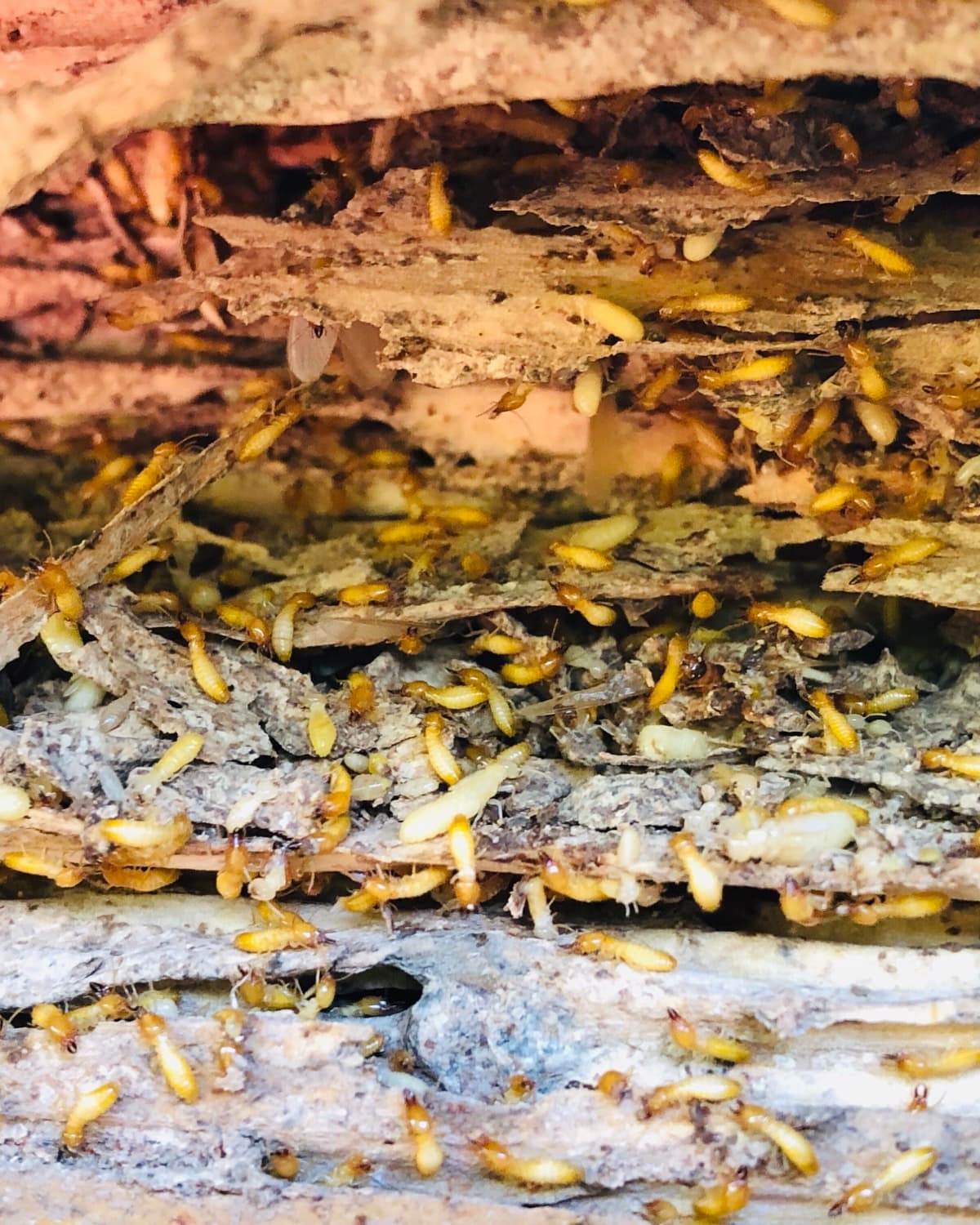
What happens if you start today.
The same day
You send us the bond or agreement, every renewal receipt you can find, any inspection reports you hold and the denial letter.
Before we ask you for anything
We request the full inspection and treatment history, check the license and bond, and identify which contract term the denial actually rests on.
Then you get a straight answer
What you are covered for, where the gaps in their record are, which routes are open, and which one we would use first. Including when we do not think it is worth pursuing.
After that it is ours
The correspondence, the regulator complaint and the escalation, with the file kept up to date.
We'll have termite & pest damage already selected.
Questions people ask us first.
They denied the claim citing a condition I was never told about. Is that allowed?
It is the commonest shape of denial in this industry and it is not the end of it. If the condition existed through years of paid inspections and was never reported to you, the timing of when it was first raised matters.
I paid for annual inspections. How do I know they happened?
There should be a report for each one. Ask for them all at once; a missing year for a year that was billed is a countable gap in their own records.
I thought I had repair coverage and it turns out I have retreatment only.
Which product you hold is decided by the contract. Whether you were sold one and given the other is a separate question with its own evidence.
I bought the house with the bond in place. Does it cover me?
That depends on whether the transfer was recorded and on what terms. If it was not, the useful question becomes who was responsible for recording it.
The company has been treating my house for a decade. Does that help?
It usually helps a great deal. A long relationship means a long record, and the record is what makes a pattern visible.
Are you a law firm?
No. We are a consumer advocacy service. We prepare and pursue your advocacy file and correspond with the business on your behalf. We do not represent you in court, and if your situation needs an attorney we tell you and hand off the materials.
Disclosures
- Satisfy is not a law firm and is not a licensed insurance adjuster or public adjuster. We prepare and pursue your file and correspond with the business on your behalf; a court filing or an insurance claim is made by you, or by an independent professional you engage, using the materials we assemble. We do not represent you in litigation, arbitration, or an insurance claim.
- The windows shown on this page are illustrative for the kind of dispute selected, measured from the work rather than from the dispute. They are an estimate and not a legal opinion. Yours depend on your contract, your policy, your card issuer's rules and your state's law, and some will already have closed. We do not guarantee that any route is still open to you.
- What goes wrong with termite and pest damage repairs is described here in general terms. It is not an assessment of your own job and it is not technical advice about whether any particular work was done correctly.