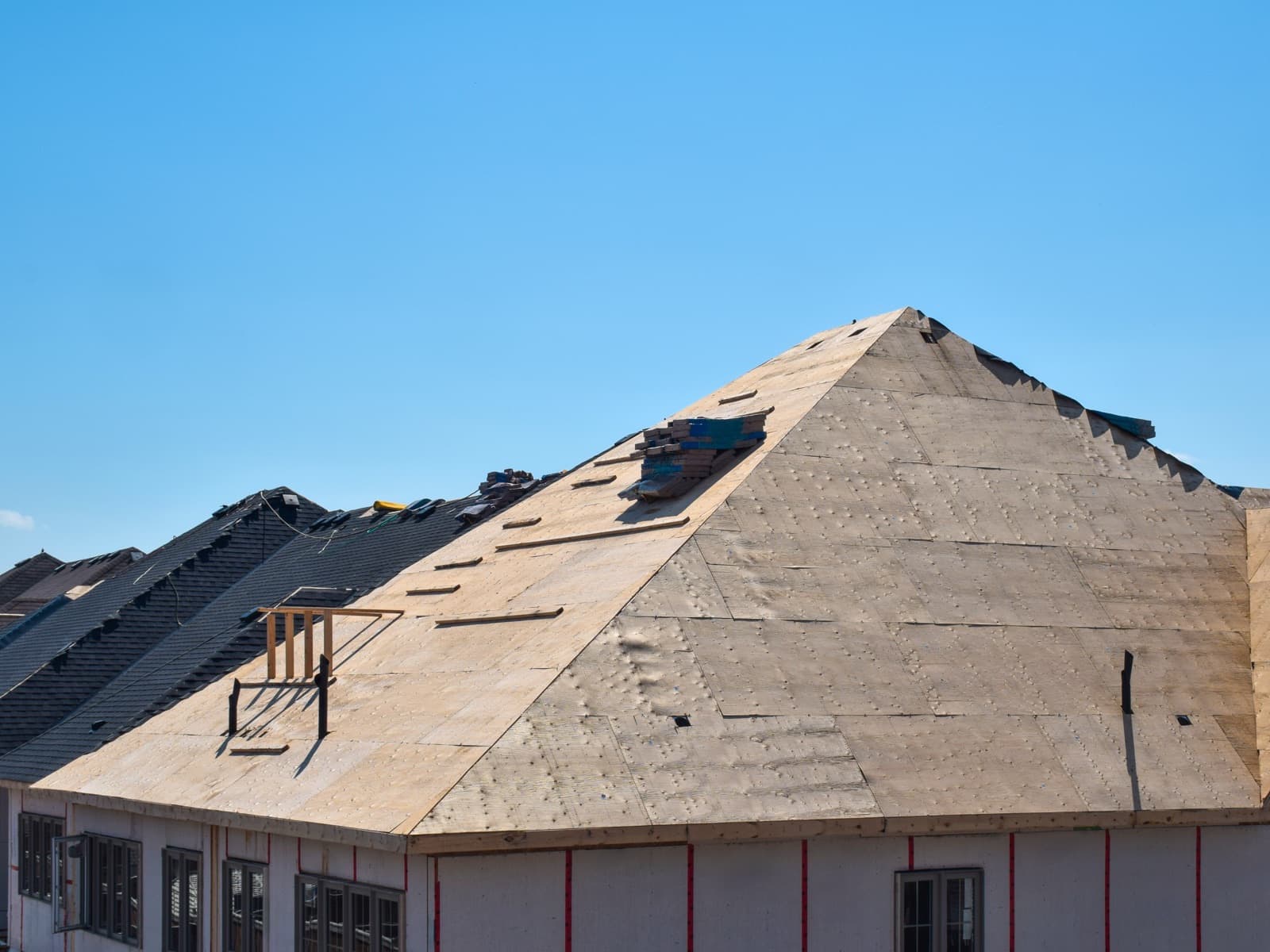
Roofing disputes
Your roofer took the money and left you with a roof that doesn't work.
Tell us what happened to your roof and we'll take it from here.
What is still open on roofing work?
10 ways to put pressure on the other side, and they do not all close at the same time. Tell us roughly when this started.
See which ones apply to you- Chargeback4 mo
- Financing unwind12 mo
- Manufacturer certification24 mo
- Insurance channel12 mo
- Surety bond24 mo
- Licensing board48 mo
- Small claims48 mo
- File a lawsuit48 mo
- Recovery fund24 mo
- Public recordno deadline
What does it cost to sort out roofing work?
Most of what follows you can do yourself, and the parts that cost nothing are first for a reason.
Start free, today
A demand letter you can fill in, and a plain guide to small claims where you live. No account, no cost.
Finding out costs nothing
Tell us what happened and hear where you stand. If we do not think we can move the business, we say so.
One cost, paid once
Asked for after we have reviewed your file and shown you the figure, and before any work starts. Nothing after it.
We take no share
No percentage of what you get back. A recovery is paid to you by the business, and never passes through us.
The routes that bite hardest in roofing.
Manufacturer certification
Most shingle manufacturers certify the installers who fit their product, and that certification hangs on the workmanship warranty. A certified roofer has more to lose than an uncertified one.
Surety bond
Roofing is a licensed trade in most states, and a license usually means a bond. The bond pays out against the contractor without needing them to agree to anything.
Licensing board
A state contractor board can review a license over workmanship. It is the one route where the person deciding is not the person you are arguing with.
Insurance channel1
If the roof was an insurance job, there are two counterparties and they have different obligations. Which one owes you what is often the whole question.
Where roofing work actually goes wrong.
Flashing, at the chimney and the valleys
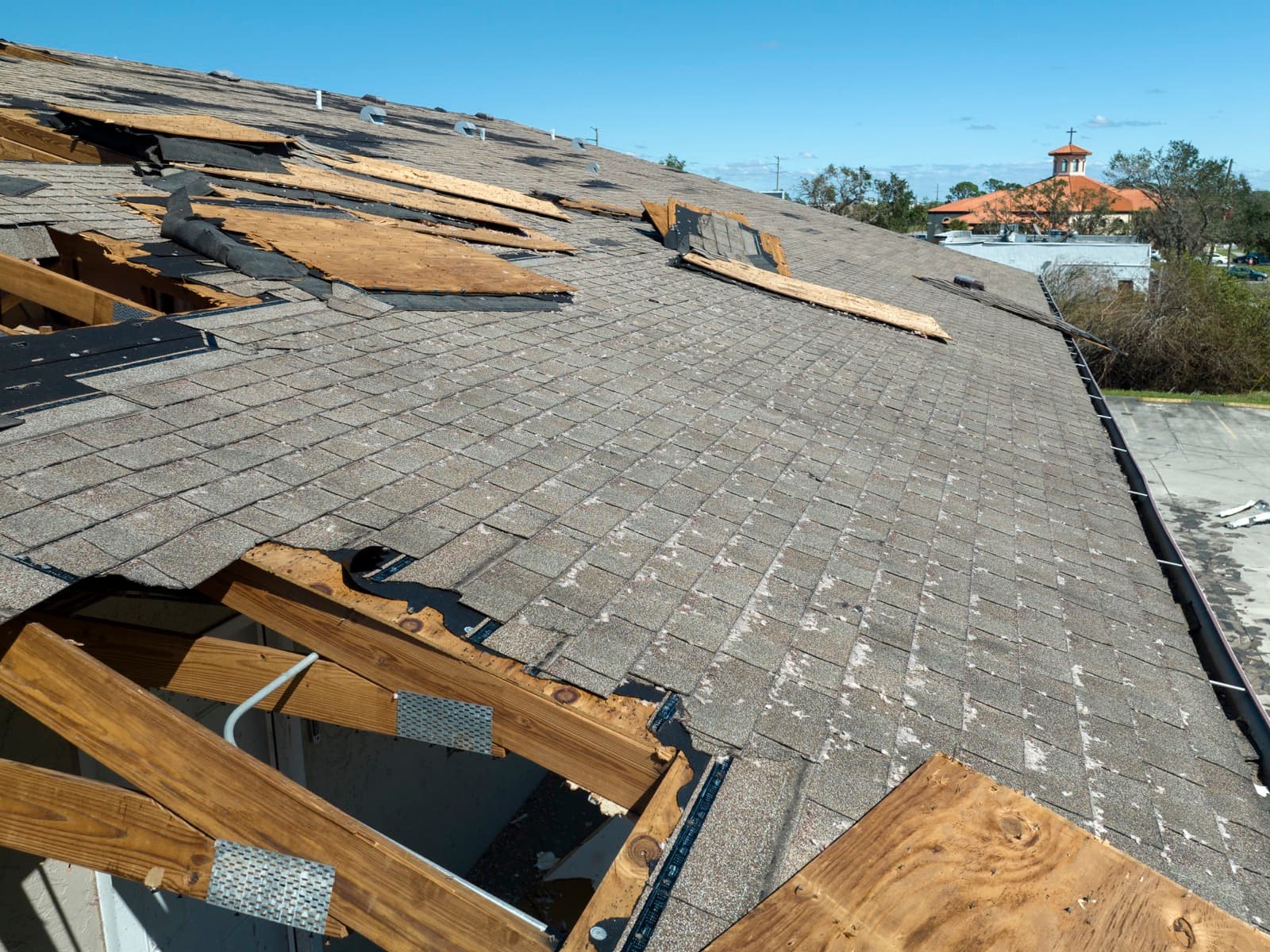
Thin metal seals every place the roof plane is interrupted. It is fiddly, it is invisible from the ground once the shingles are on, and it is the most common single point of entry for water on a roof that is otherwise new.
A new roof that leaks here is almost never a materials problem. That matters, because a materials warranty comes from the manufacturer and a workmanship warranty comes from the contractor.
Underlayment, under the shingles
The membrane between the decking and the shingles. It is covered within hours of going down, and skipping it or downgrading it is invisible on the finished job and on the invoice.
What was specified is in your contract or your estimate. A difference between that document and what is on the roof is the clearest thing there is on this list.
Decking, the wood underneath
Rotten boards are supposed to be replaced during a tear-off, and replacing them is usually a line item you were charged for. Laying new shingles over soft decking hides it for a season or two.
This is one of the few things on a roof that is billed per sheet, so what you paid for is countable against what was actually done.
Ventilation, at the ridge and the soffits
A roof needs to breathe. Blocked or missing ventilation cooks the shingles from below and shortens their life by years, and it shows up as attic moisture long before it shows up on the roof.
Most manufacturers void the materials warranty on an unventilated roof. So a ventilation failure can quietly remove the cover you were told you had.
The tear-off that was not a tear-off
A second layer of shingles laid straight over the first. It is faster, it is cheaper, it is against code in many places, and from the street it looks like a new roof.
Countable from the edge of the roof and from the disposal cost on your invoice, both of which exist whether or not the contractor is still answering.
The warranty you were actually given
Two documents get called the same thing. The manufacturer covers the product; the contractor covers the fitting. The second one is the one that matters when the install is the problem, and it is the one most often described verbally and never issued.
If a certified-installer program is involved, the manufacturer has its own interest in how its certified contractors behave, separate from yours.
The three we see most.
All of it, on roofing workLeaks that appear after a full replacement
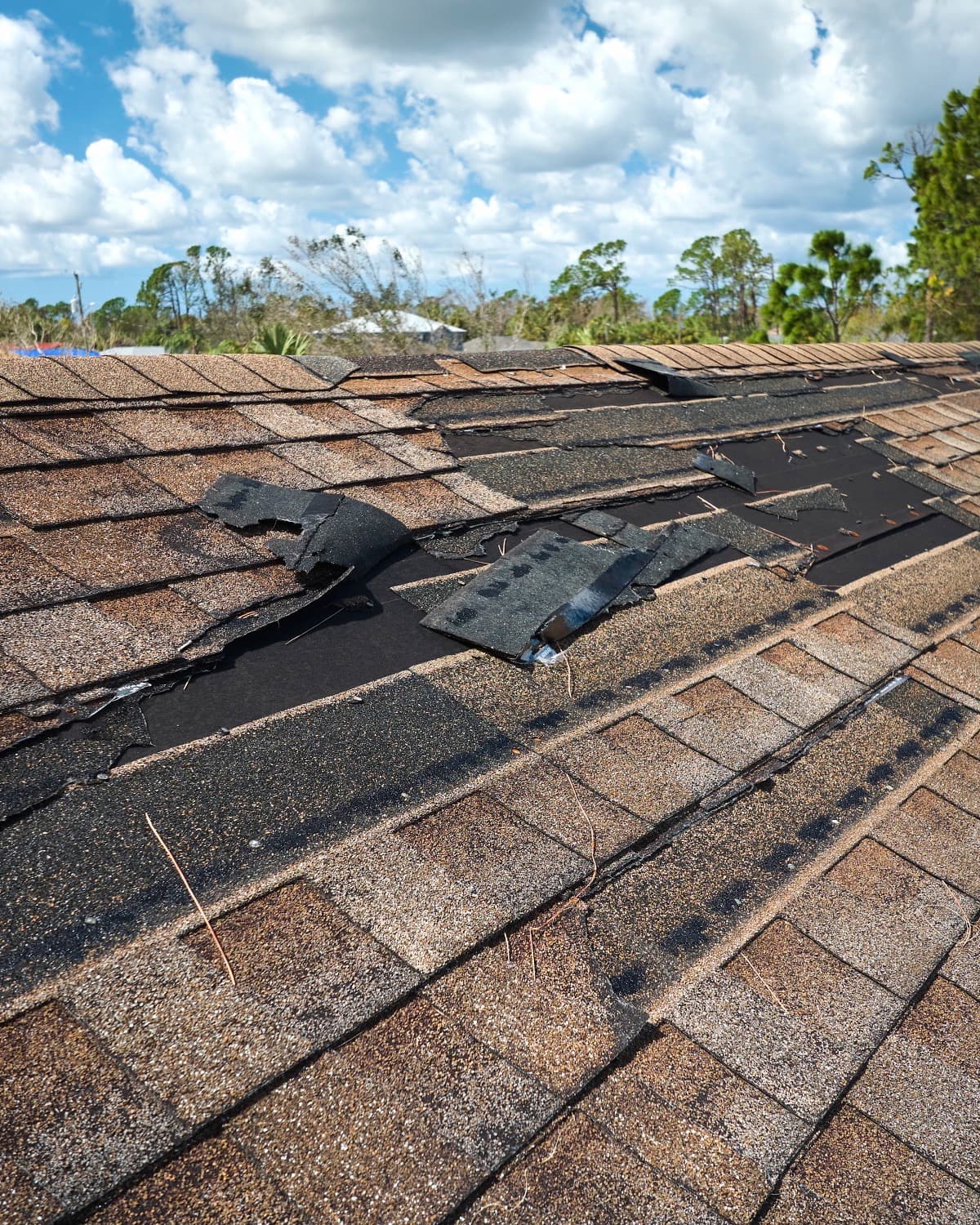
A new roof that leaks usually points at how it was installed rather than the materials themselves. Flashing around chimneys, valleys, and vents is where water most often gets in, and it's also the part most likely to be rushed.
Work billed as complete that isn't
Underlayment skipped, old shingles left underneath, or decking that was supposed to be replaced and wasn't. These are hard to see from the ground and easy to invoice for.
A workmanship warranty nobody honors
Manufacturer warranties cover materials. The workmanship warranty, the one that matters when the install is the problem, comes from the contractor, and it's only worth what they're willing to stand behind.
What happens if you start today.
The same day
You tell us what happened once, in your own words, and upload whatever you have. A contract, an invoice, a text thread, photographs off your phone. Nothing is too disorganised to send.
Before we ask you for anything
We check what is on the public record about your contractor: the license, whether it is current, what it is bonded for, and whether anybody else has complained.
Then you get a straight answer
Where you stand, which of the ten routes are open to you, and which one we would use first. Including when we do not think it is worth pursuing.
After that it is ours
The letters, the filings, the chasing and the escalation, with the file kept up to date so you never have to ask us where it is.
We'll have roofing already selected.
Questions people ask us first.
Do I have to have paid in full?
No. A deposit that bought nothing is one of the clearer situations to pursue, and it is often the one where the fastest routes are still open.
The contractor has gone out of business. Is that the end of it?
Frequently not. A license bond, a manufacturer's certification program and a state recovery fund all survive the contractor closing, and none of them requires the contractor to co-operate.
My insurance company paid the roofer directly. Is this still my dispute?
Yes, and there are now two of them. The roofer owes you the work. Whether the insurer's payment was correct is a separate question with its own deadline, and the two run at the same time.
The warranty is from the shingle manufacturer, not the roofer. Does that matter?
It matters a great deal, because they cover different things. A materials warranty covers the product failing. It does not cover the product being fitted wrongly, which is what most roofing disputes turn out to be.
How long do I have?
That depends on which route you want, and they close at different times rather than all at once. The shortest of them runs from when you paid, not from when you found out.
Are you a law firm?
No. We are a consumer advocacy service. We prepare and pursue your advocacy file and correspond with the business on your behalf. We do not represent you in court, and if your situation needs an attorney we tell you and hand off the materials.
Disclosures
- 1.Satisfy is not a law firm and is not a licensed insurance adjuster or public adjuster. We prepare and pursue your file and correspond with the business on your behalf; a court filing or an insurance claim is made by you, or by an independent professional you engage, using the materials we assemble. We do not represent you in litigation, arbitration, or an insurance claim.
- The windows shown on this page are illustrative for the kind of dispute selected, measured from the work rather than from the dispute. They are an estimate and not a legal opinion. Yours depend on your contract, your policy, your card issuer's rules and your state's law, and some will already have closed. We do not guarantee that any route is still open to you.
- What goes wrong with roofing work is described here in general terms. It is not an assessment of your own job and it is not technical advice about whether any particular work was done correctly.