Skip to content
Satisfy
Satisfy

Common problems with a solar installation

What tends to go wrong, what it usually points at, and what your options are when a contractor won't put them right.

Production well below what was modeled

Sales models are estimates, but a large persistent gap between projected and actual production is worth questioning. Shading, panel orientation, and undersized equipment all show up this way.

What proves it
The production model you were sold against the monitoring data the system itself records. Both are numbers, both are written down, and the gap between them is the whole argument.
What the business usually says
That the weather was unusual or that a model is only an estimate. A model built for your roof, your pitch and your shading is a representation you relied on, and monitoring data over a full year answers the weather point directly.
Roof damage from the installation

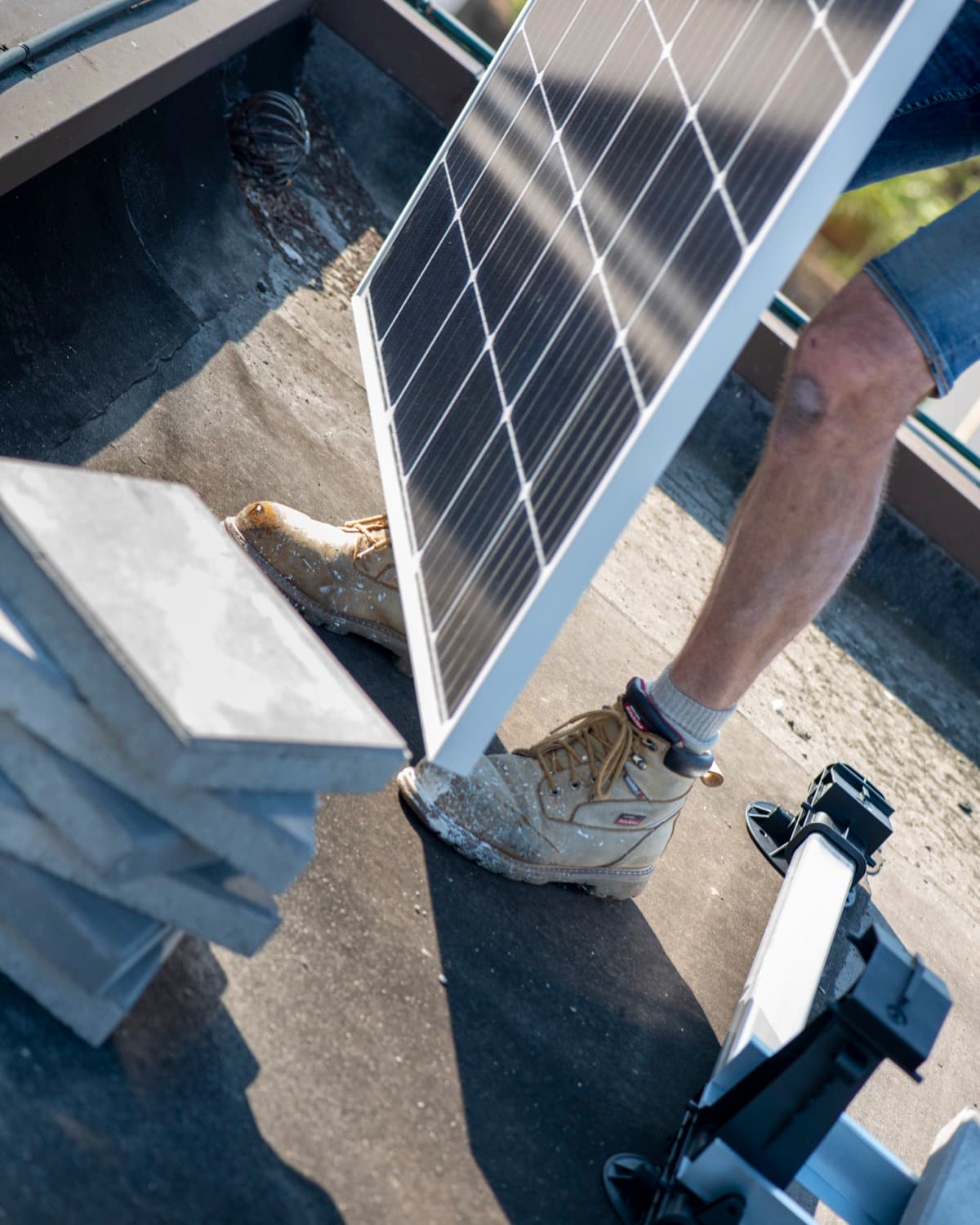
Mounting hardware penetrates the roof. Done poorly, the first sign is often a leak months later, by which point the roofer and the solar installer each point at the other.

What proves it
Photographs of the roof before installation and after, plus a roofer's written opinion on whether the penetrations were flashed correctly. Mounting hardware goes through a roof, so the seal is the workmanship.
What the business usually says
That the roof was already old, or that roofing is not their trade. The contract for the installation is with them, and a subcontracted roofer does not move the obligation.

Incentives and savings that never materialised

Promised rebates, credits, or utility programmes that turn out not to apply, or that expired before the paperwork was filed.

What proves it
The proposal that stated the incentive, and the rule that actually governs it. Utility and tax incentives have published terms and eligibility dates that can be read independently.
What the business usually says
That incentives are outside their control. That is true of the program and not of the representation: what matters is what the proposal told you would happen and what you signed on the strength of it.

Before you do anything else

What to gather

  • The signed proposal, including the production model and any savings projection
  • Monitoring data for every month since commissioning
  • Utility bills for a full year before and after
  • The interconnection agreement and the permission to operate
  • Before and after photographs of the roof and the mounting points
  • Any incentive or rebate paperwork, and the program's published terms

The part nobody tells you

Some of this expires

Most ways of putting pressure on a business run on a clock that starts at the work, not at the argument. These are the ones that shut first.

Chargeback
About 4 months. Your bank reverses the payment.
Financing unwind
About 12 months. The lender wears the claim, not you.
Manufacturer certification
About 24 months. Their certification goes under review.
Surety bond
About 24 months. The bond pays out against them.

See where you are on the clock for all ten routes.

What to do about it

Document what you were promised and what you got, keep every invoice and message, and photograph everything before anyone “fixes” it. Whatever route you take from there, whether talking to the business yourself, a licensed attorney, or us, the case rests on that record.

What this page covers

We're a consumer advocate, not a law firm, and this page is general information rather than guidance about your situation. It is here so you can recognize your own case in it and see what usually moves one. If yours needs an attorney, we say so and hand off, taking nothing for the introduction.

More on solar installation disputes we take on, or how the process works.

Dealing with one of these?

Tell us what happened and we'll tell you whether it's something we can help with.