
Skip to content
Satisfy

Common problems with a diminished value claim

What tends to go wrong, what it usually points at, and what your options are when an insurer won't pay what the vehicle is worth.

Inherent diminished value

Even a flawless repair leaves a record. Two identical cars, one with an accident on file, do not sell for the same money, and that gap is a real loss.

What proves it
The accident history now attached to the vehicle, and a written appraisal of what it is worth with that history against what it was worth without. The history is public and permanent, which is the point.
What the business usually says
That the car was repaired properly, so nothing was lost. Repair quality and market value are different questions. A disclosed accident affects what a buyer will pay whether or not the repair was good.
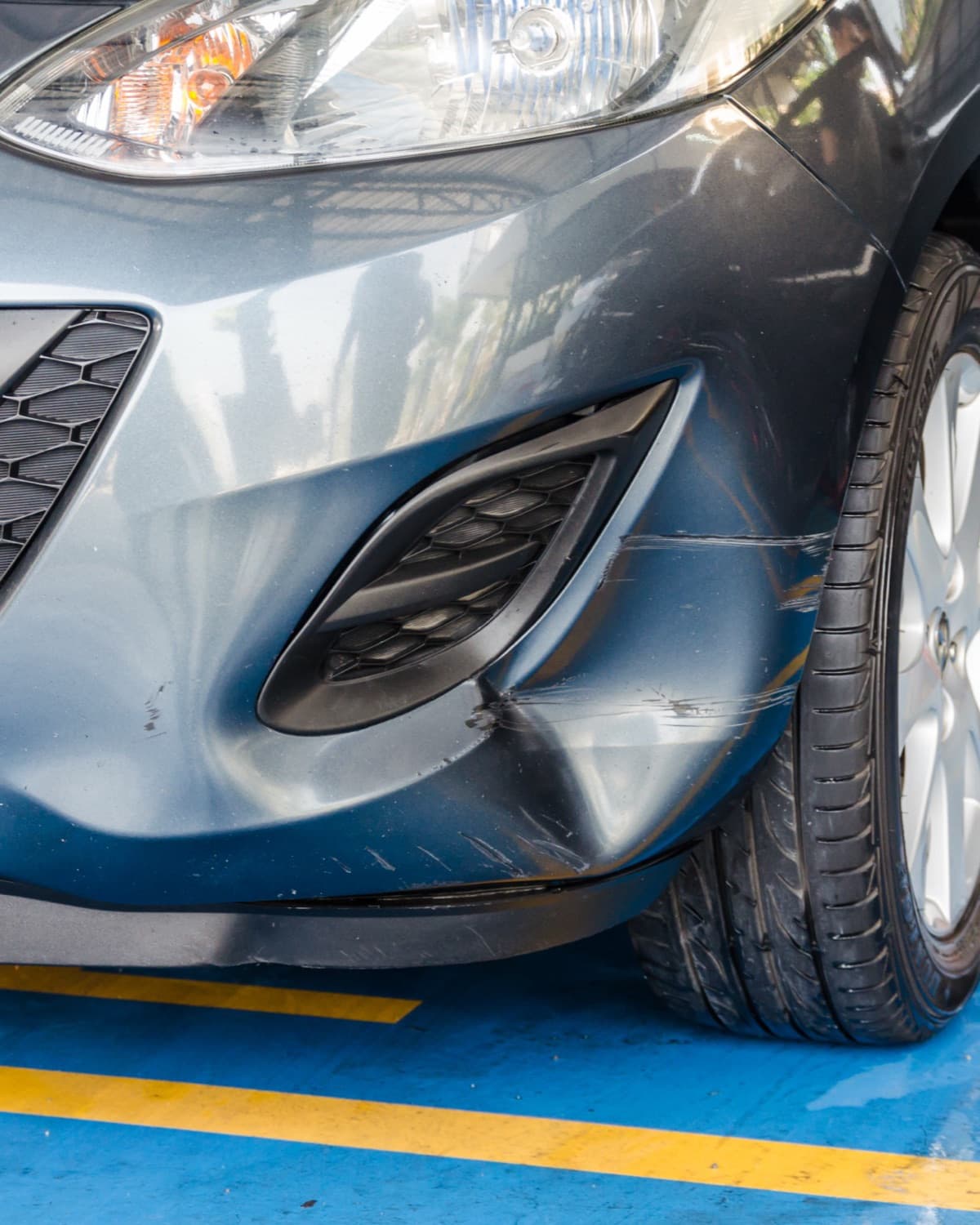
Repair-related diminished value

Where the repair itself fell short - panel gaps, mismatched paint, non-original parts - the loss compounds, and it is a safety question as well as a value one.

What proves it
The repair invoice and the shop's own documentation, plus a post repair inspection. If aftermarket parts were used or panels were not restored to specification, both appear in the paperwork.
What the business usually says
That the repair met industry standards. Then the standard is named and the work can be measured against it by an independent shop.

First offers that don't reflect the market

An insurer's opening diminished value figure is a starting position. What the vehicle actually lost is an evidence question, answered with comparable sales rather than a formula.

What proves it
An independent appraisal, and listings for comparable vehicles with and without accident history. The comparison is the claim.
What the business usually says
That their formula is standard. A formula is a method, not a valuation, and an appraisal of your specific vehicle answers it with evidence rather than with a different formula.

Before you do anything else

What to gather

  • The police report and the claim number
  • The full repair estimate and final invoice, including parts used
  • Photographs of the damage and of the completed repair
  • The vehicle history report showing the disclosed accident
  • An independent diminished value appraisal
  • Every written offer and the insurer's stated basis for it

The part nobody tells you

Some of this expires

Most ways of putting pressure on a business run on a clock that starts at the work, not at the argument. These are the ones that shut first.

Chargeback
About 4 months. Your bank reverses the payment.
Financing unwind
About 12 months. The lender wears the claim, not you.
Manufacturer certification
About 24 months. Their certification goes under review.
Surety bond
About 24 months. The bond pays out against them.

See where you are on the clock for all ten routes.

What to do about it

Document what you were promised and what you got, keep every invoice and message, and photograph everything before anyone “fixes” it. Whatever route you take from there, whether talking to the business yourself, a licensed attorney, or us, the case rests on that record.

What this page covers

We're a consumer advocate, not a law firm, and this page is general information rather than guidance about your situation. It is here so you can recognize your own case in it and see what usually moves one. If yours needs an attorney, we say so and hand off, taking nothing for the introduction.

More on diminished value claims we take on, or how the process works.

Dealing with one of these?

Tell us what happened and we'll tell you whether it's something we can help with.